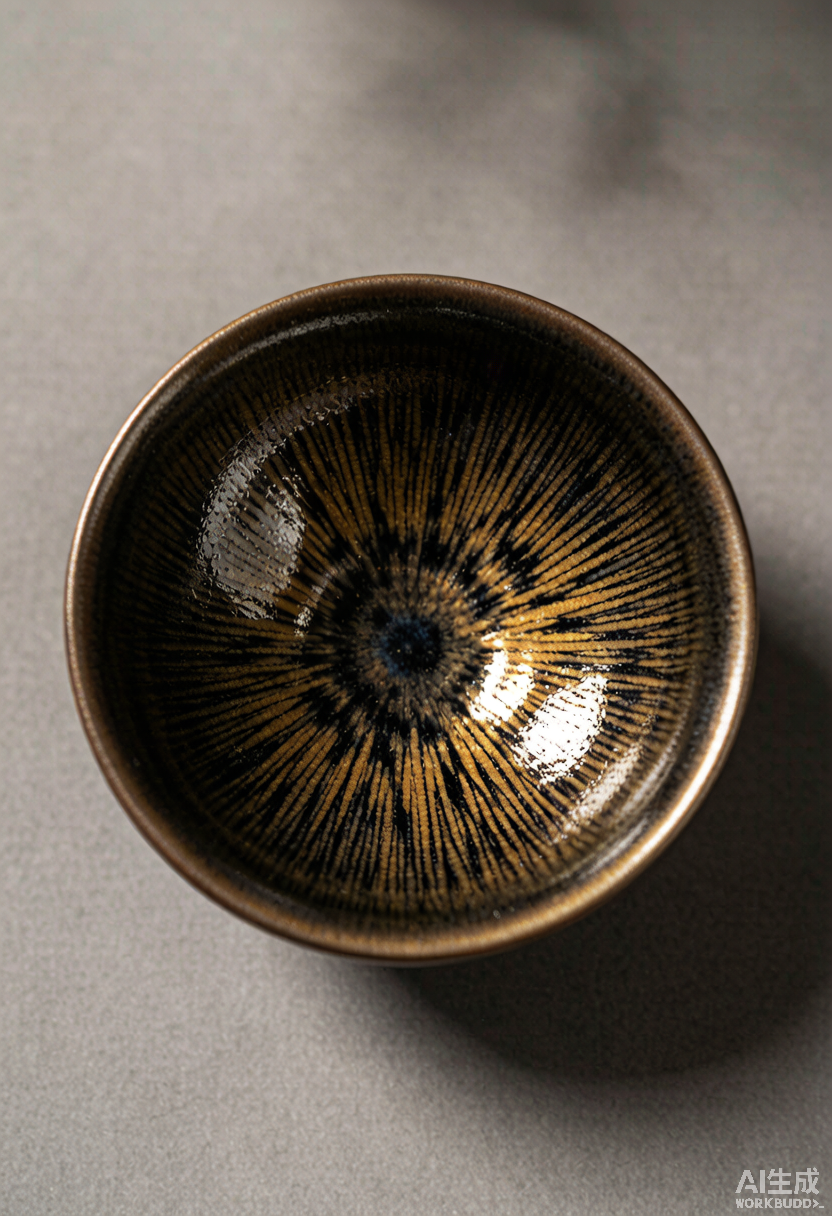
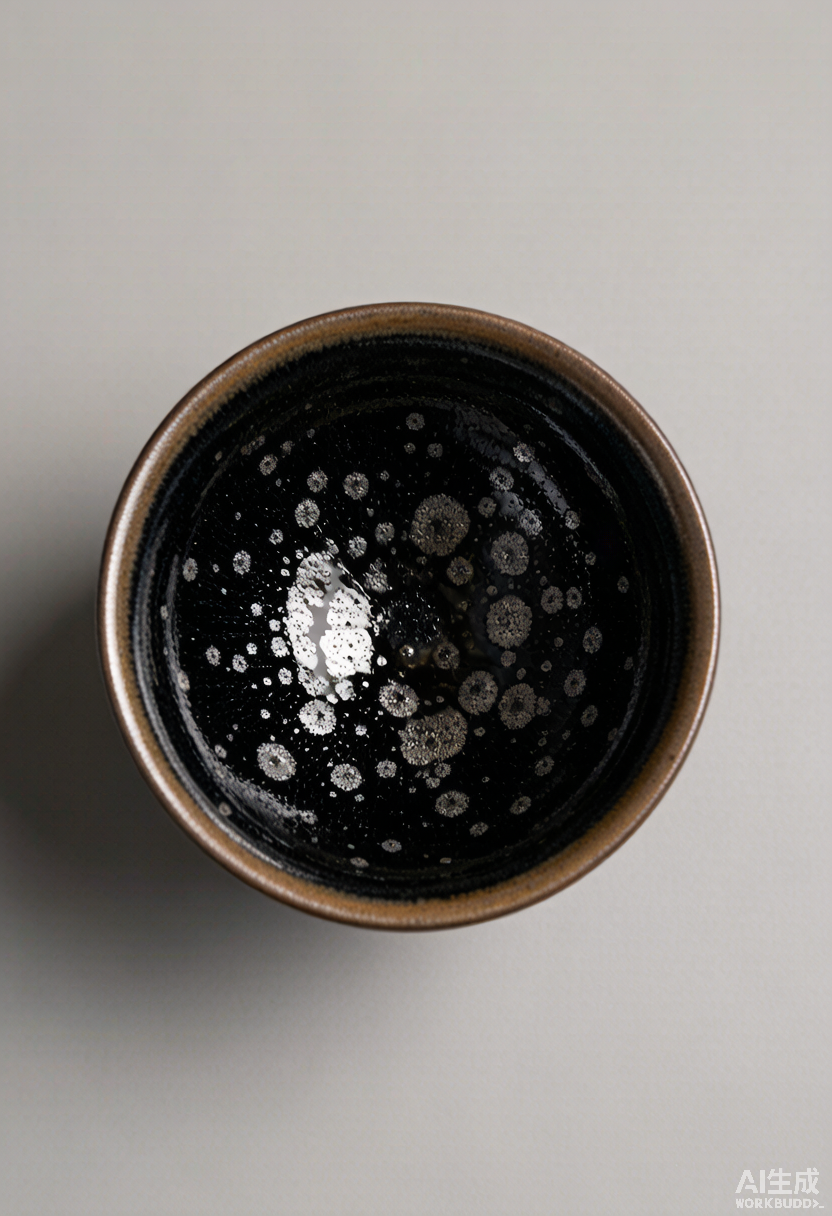
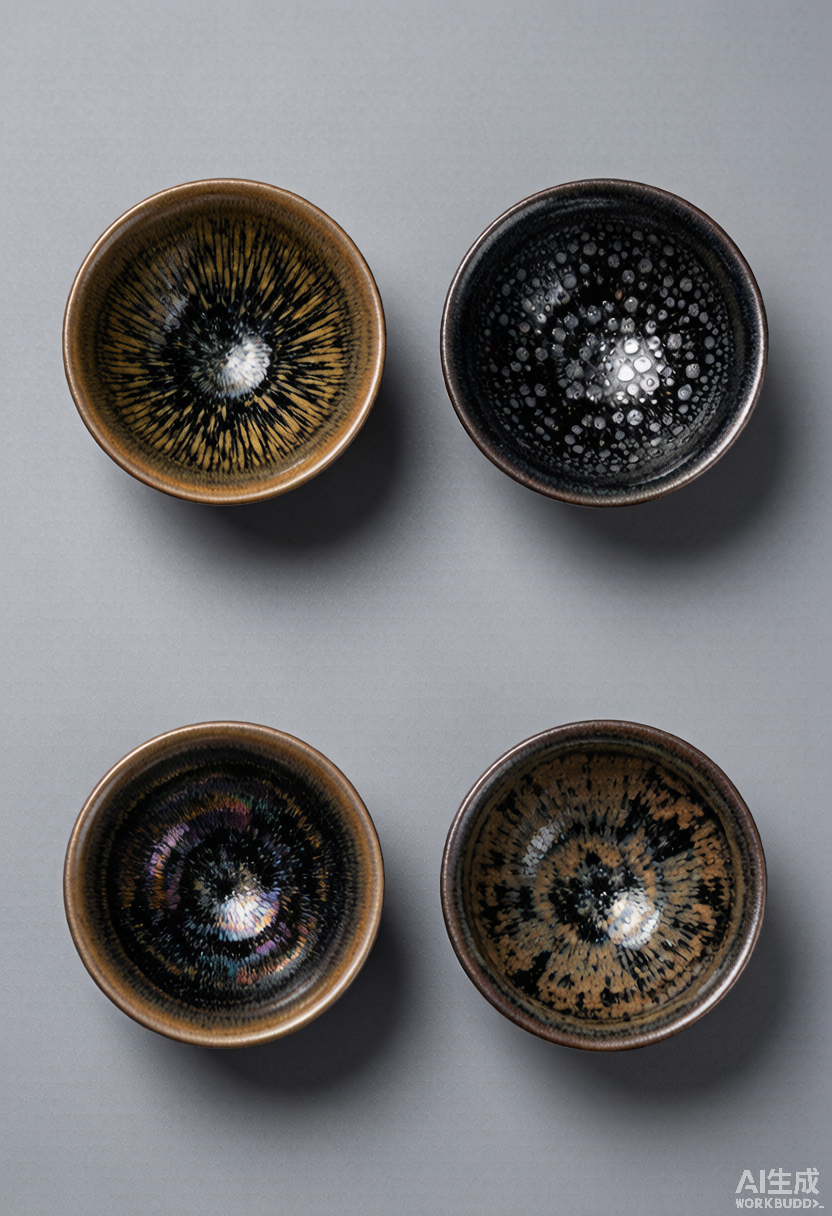
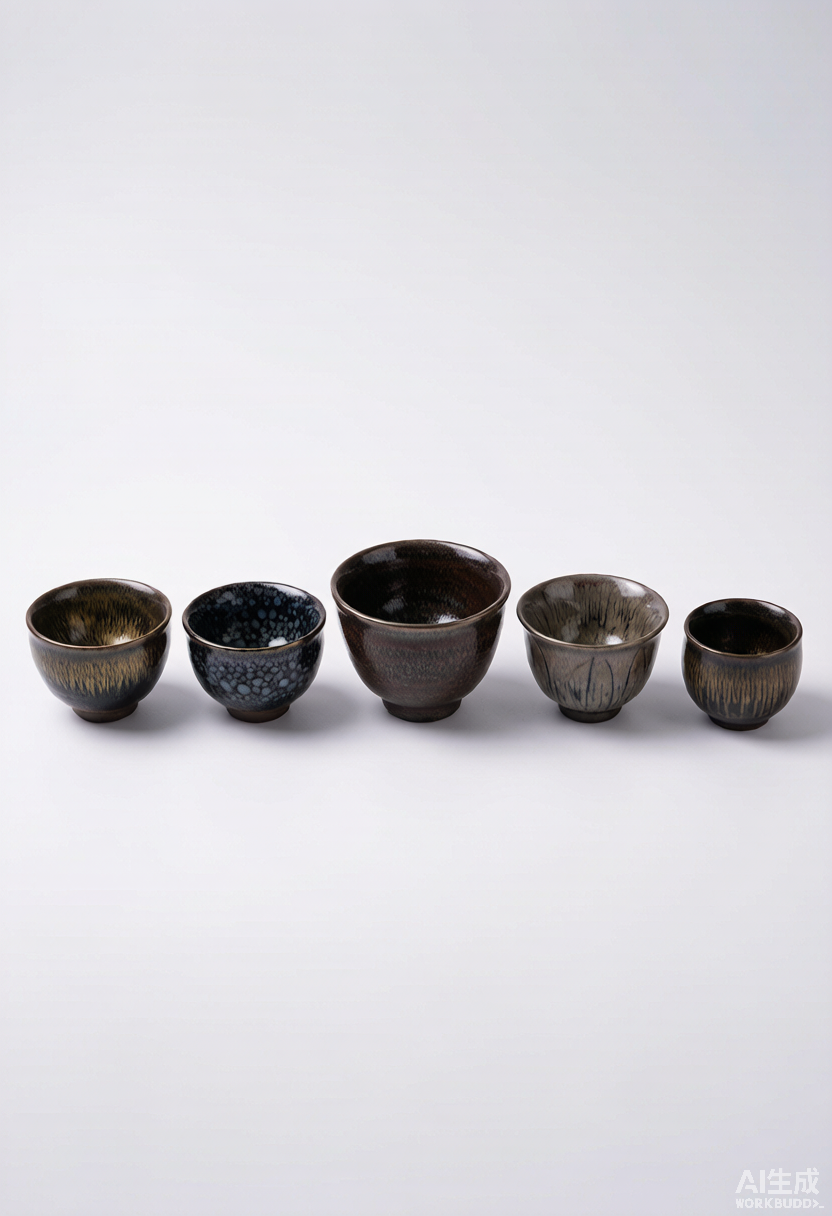
A Millennium of Hand-Painted Ceramics
From Jingdezhen celadon to Ming-Qing fencai, Chinese porcelain painting spans a thousand years. Each hand-painted cup embodies the artisan's deep understanding of clay and fire. This article traces the origins of handmade ceramics, decodes core techniques like underglaze blue and overglaze enamel, and takes you into the studios of porcelain painters.
I. Clay Meets Fire
China is the birthplace of porcelain. As early as the Eastern Han Dynasty, potters in Shangyu, Zhejiang, fired true celadon—over 1,600 years before Europe. The birth of porcelain arose from artisans' repeated experiments with kaolin clay and glaze formulas: iron content determines the depth of green, firing temperature affects glaze luster, and subtle changes in kiln atmosphere can mean the difference between verdant and sallow. This ability to converse with materials forms the technical foundation of Chinese porcelain painting.
II. Landscapes at the Brush Tip
Porcelain painting is not simply "drawing on bowls." It divides into underglaze and overglaze systems: underglaze blue uses cobalt pigment on raw bisque, covered with transparent glaze and fired at 1300°C, the color sinking beneath the glaze to last millennia; overglaze fencai is painted on fired white porcelain and re-fired at 700-800°C, yielding rich, soft tones as delicate as gongbi painting. A fine hand-painted cup may pass through dozens of steps—from lining to water-shading to firing—where any error is irreparable.
"The hardest part of porcelain painting isn't technique—it's waiting. Waiting for clay to dry, for glaze to settle, for the kiln to cool. An artisan's life is mostly spent waiting." — Jingdezhen master painter
III. From Workshop to the World
Today, handmade ceramics reach the world as never before. Contemporary artisans inherit traditional techniques while infusing modern aesthetics into form and composition—a single hand-painted cup may bear both Song Dynasty landscape spirit and minimalist negative space. Vivova's ceramics series practices this philosophy: partnering with Jingdezhen artisans, we preserve hand-throwing and traditional painting while integrating contemporary design, making each piece both a functional daily object and a tangible cultural memory.